
- Most Highly Rated
470+ google reviews - Top Rated Reviews



Last Update
The country might be distant from the rest of the world, but Australia is one of the best places to live in, especially for couples.
So, if you’re starting a new life, moving to the Land Down Under is a momentous milestone for your relationship. Then again, getting your visa granted is easier said than done, especially with the fees involved.
We’ll walk you through the cost breakdown of an Australian partner visa. We’ll also help you create a budget plan to better prepare your application.
Ready to go?
There are a few main visa options when applying for a partner or spouse visa.
For starters, the partner visa subclass 820/801 is the most ideal option when you’re already in Australia. You also have the prospective marriage visa subclass 300 and partner visa subclass 309/100, which are suitable when applying from outside Australia.
Some partner visas, like subclass 801, enable permanent residency in Australia. Meanwhile, the subclass 300 is temporary but normally used as a stepping stone to a permanent resident partner visa.
A significant benefit of both the onshore (820/801) and offshore (309/100) partner visas is that the government fee is a combined charge: paying the upfront application fee covers both the temporary stage and the permanent stage. You do not pay a second base application fee when the permanent stage is assessed two years later.
The costs to apply for an Australian partner visa can seem high for many applicants. Visa application fees are determined per year and updated every July 1st by the Australian Department of Home Affairs.
Thus, it is paramount that applicants check and confirm the current charges while preparing for their application and budget.
Note that all fees are listed in Australian dollars.
As you can see, applying from outside Australia for an offshore partner visa costs the same as applying onshore for an 820/801 visa. Also, for additional visa applicants, the charges are the same.
Talk to one of our Visa Experts Now.
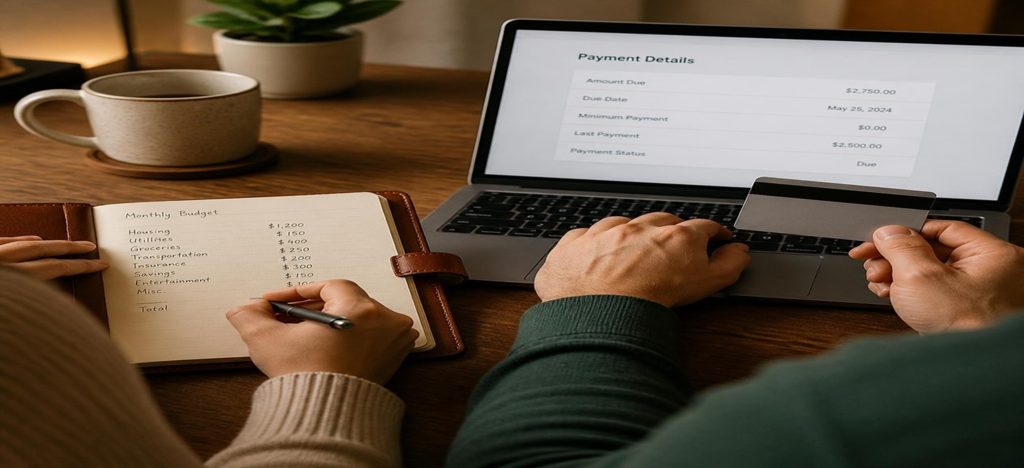
While you’re creating your budget, you also have to consider extra charges and third-party expenses. These can include medical examinations you must undertake, document translations, and police certificates.
Since every applicant has a unique visa case, the additional fees vary. Therefore, you must be aware of them while calculating how much money you need to cover the full process.
When paying online via ImmiAccount, the Department of Home Affairs applies a mandatory payment surcharge. For credit or debit cards (Visa, MasterCard, American Express, and JCB), a 1.40% surcharge applies (adding approximately $164 to an $11,710 base fee). PayPal attracts a 1.01% surcharge, and UnionPay incurs a 1.90% surcharge.
Part of establishing your visa eligibility is completing an immigration health check. Fees depend on where you apply and which checks are required. If you are completing your medicals in Australia through Bupa Medical Visa Services, you can expect to pay between $450 and $600 per adult for the required physical exam, chest X-ray, and blood tests.
Applicants must provide police certificates from every country lived in for 12+ months over the last decade. While the costs differ from country to country, an Australian Federal Police (AFP) National Police Check currently costs between $42 and $60 per applicant.
Documents that are not in English must come along with certified English translations (completed by NAATI-accredited translators in Australia or verified professional translators overseas). Professional translation fees typically range between $50 and $90 per page.
Employing the expert services of a registered migration agent or immigration lawyer can significantly strengthen your application. Professional legal fees are structured based on the complexity, history, and specific requirements of your visa matter.
Yes, visa application fees are not static. They usually see an increase annually as set by the Australian Department of Home Affairs. The Department evaluates the charges every year, and mandated changes generally take effect on July 1st at the start of the new financial year.
While fees do not increase drastically year-to-year, it is wise for visa applicants to always verify current costs when lodging. Partner visa fees are set by the Commonwealth Government, so applicants should always check the official Department of Home Affairs website for the most up-to-date fee schedule.
All partner visa applications must be lodged electronically, and visa application charges must be paid online via ImmiAccount using accepted digital payment channels. In-person counter payments (such as cash or counter EFTPOS) are not accepted at Department of Home Affairs offices.
Make sure your daily payment limit covers your application charge:
Credit & Debit Cards: Visa, MasterCard, American Express, and JCB (1.40% surcharge applies).
PayPal: Online wallet payment via your linked ImmiAccount (1.01% surcharge applies).
UnionPay: Accepted via the online payment portal (1.90% surcharge applies).
BPAY: Electronic funds transfer from Australian bank accounts (no surcharge; must be finalised within 3 days).
Online card payments are the most popular method due to their instant clearance.
Talk to one of our Visa Experts Now.
Managing partner visa requirements, evidence compilation, and government fee regulations can quickly become overwhelming.
That’s why consulting experienced immigration lawyers is invaluable. Dedicated legal professionals know the intricacies of Australian migration law and case criteria, guiding you through the evidence requirements to help secure your visa grant.
Parish Patience has over a century of legal heritage helping couples secure partner visas and build permanent futures in Australia. Our team of admitted legal practitioners and Registered Migration Agents brings extensive knowledge of statutory criteria, complex relationship waivers, and application strategy.
Avoid costly errors, unnecessary delays, and the stress of managing the partner visa process alone. Contact our Sydney team today for dedicated, professional visa assistance.
 Enrolled Nurse PR Pathway August 5, 2026
 Spouse Visa Australia Processing Time May 13, 2026
 309 Partner Visa Processing Times December 2, 2025


