
- Most Highly Rated
410+ google reviews - Top Rated Reviews

Australia’s Best Immigration Law Firm for
135+ Years
Your partner for all things visa and immigration law. Established in 1888.

Latest News:
New pathways to permanent residence for occupations
on the Short-Term Skilled Occupation List (STSOL)



With frequent changes happening in Australia’s immigration laws, you deserve nothing less than the expertise of trusted immigration lawyers Sydney can possibly offer. Parish Patience has been in the legal field since 1888, seventy years before the Migration Act of 1958 was implemented in Australia.
With our combined expertise and experience in immigration law, you can guarantee that all matters concerning visa applications, citizenship, to the more complex cases such as filing an appeal to the Tribunal and Federal Court, will be handled with the highest degree of professionalism.
Choose the best immigration lawyers Sydney has ever had for reliable, transparent, and personalised visa assistance. Contact Parish Patience Immigration Lawyers Sydney today and schedule your appointment.
Parish Patience Immigration Lawyers Sydney
Parish Patience Immigration Lawyers started offering legal services as Walter Parish’s legal practice in 1888. After substantial changes to Administrative and Immigration Law in the 1980s, David Bitel, who first joined the firm in 1976, specialised in immigration law. From then on, Parish Patience’s immigration law unit has grown to become one of Australia’s largest specialist immigration law practices to date.
Apart from that, the Law Society of New South Wales also acknowledged David Bitel as an Honorary Accredited Specialist in Immigration Law and served as a consultant author for the loose leaf legal book, “Australian Immigration Law.” He had also been consistently listed in the 2008 to 2016 editions of the “Best Lawyers in Australia,” acknowledging his invaluable contributions to the legal profession.
Our immediate past Principal Lawyer Michael Jones was also included among the Best Lawyers in Australia from 2008 to 2022. In 2015, he was awarded Lawyer of the Year, Immigration Law – Sydney.
On top of all that, Parish Patience Immigration Lawyers has been a well-known and reputable firm within the immigration profession. Our lawyers, registered migration agents, and other staff members regularly present papers at major Australian and international conferences, and have assisted thousands of visa applicants at every stage of the application and appeal process.
Our professional team at Parish Patience is committed to establishing and maintaining long-lasting relationships with our clients. We offer trusted, personal, and practical advice at cost-effective rates best suited to each individual case. The entire staff at Parish Patience has the experience, expertise, and qualifications to provide high-quality services in immigration, from skilled visas, business opportunities, to students and Federal Court matters.
Whether you aspire to enter Australia as a student, skilled worker, or refugee and obtain permanent residency, our all-
encompassing migration services can help you navigate Australia’s visa process with ease.
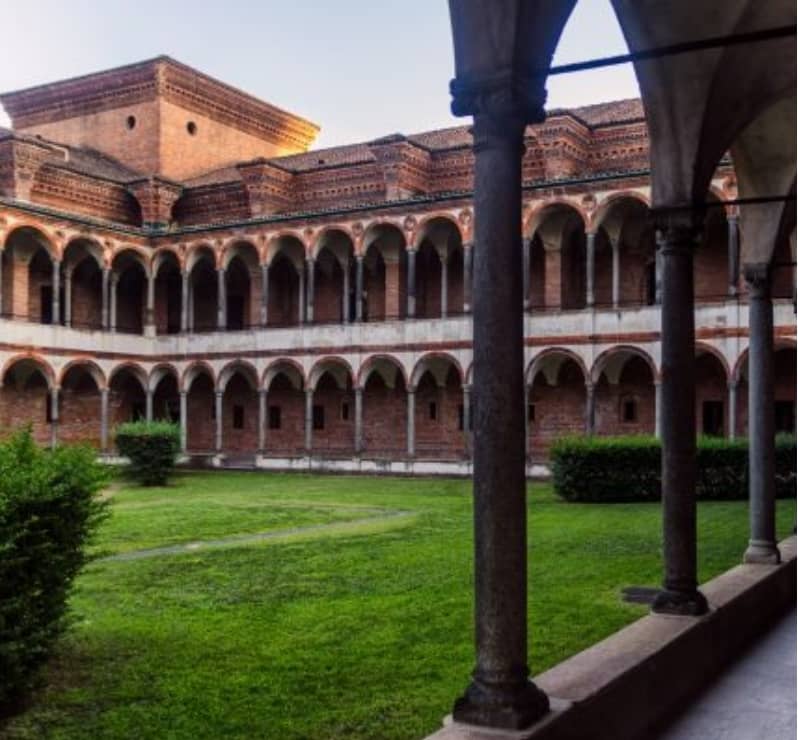
Want to study in Australia? We’ll make sure to give you proper guidance and provide expert legal assistance to help secure your visa and study at any of Australia’s top schools and universities!

Have you been thinking of living in Australia for good with your family? Let’s get that family visa and PR status in a painless process.

Whether you’re a migrant worker or a sponsoring employer who needs skilled workers to fill job vacancies, we can help get that coveted visa to benefit both parties.

There’s no doubt that Australian employers are always looking for the best and brightest. Apply for a skilled visa with us and we’ll help you in every way!

With our long decades of experience, we can provide you with a smooth and successful application for your refugee visa.

This is your sign to get your Australian citizenship now! Get the best immigration agent Sydney who can help you through this process, so don’t hesitate to reach out.

The Business Visa is a great opportunity for those who want to own and manage a business in Australia. We make sure to assist you at every stage, from application to approval!

Visa appeals to the Tribunal and Federal Court require the expertise of persuasive immigration lawyers. Make an appointment with us to see what we’re capable of!
Keen to know more about why you should choose a Sydney immigration lawyer from Parish Patience to help you with your visa application needs?

Our 135-year-old immigration law firm in Sydney is accredited by the Migration Institute of Australia and is a proud member of the Law Society of New South Wales. But that’s not all—we are home to award-winning lawyers who can handle the most complex cases with absolute mastery. At Parish Patience Immigration, you are given the assurance that you’re seeking legal advice from none other than the best immigration lawyers in Sydney.

In every case, we practise a personalised,
client-first approach. Whenever clients come to us for legal assistance, we see them as human beings who need genuine help, and we owe it to our clients like you to also provide genuine professional assistance. Whatever visa type you’re applying for, you will get a skilled lawyer to fight for your case to the end.

It’s our duty to help you fully understand your case and provide honest solutions that will help increase your chances of getting a desired outcome, whether that’s being granted permanent residency or acquiring Australian citizenship. We will treat you and your case with full respect, fairness, honesty, and transparency.

Parish Patience is an Australian immigration agency with lawyers and agents who come from diverse cultural backgrounds. Whether you’re looking for an Indian lawyer in Sydney to help you better understand your unique case, a Bangladesh lawyer in Sydney with whom you can talk to in your native language, or a Nepalese lawyer in Sydney that you can speak more comfortably with as a Nepalese local yourself, Parish Patience offers the best Australian immigration agent suited for candidates from different nationalities.
Our customers are always happy to share their thoughts with us.
Here is what some of them had said!

The team at parish Patience Immigration Lawyers were incredibly helpful throughout the application process. Their assistance made our lives so much less stressful and their expertise cleared up any confusion we had. They remained engaged with us the whole time and quickly responded to any questions with thoughtful, detailed answers. Special thanks to Usman Ali and Shan . We highly recommend the team at Parish patience immigration lawyer for anyone considering help regarding any kind of visa .
Highly recommended lawyers! Extremely professional and reliable service, with outstanding outcomes. A special thanks to Mr Thong and Marlene, for helping us with our difficult case. Not only did they ensure that everything was ready to go, but their professionalism came in favor when we were granted our visa within just under 6 months!
Thong and Marlene helped my partner gain permanent residency in Australia. We did the application ourselves but it turned out lots of information we needed to provide was missing. Thong and Marlene picked our case up and helped amend it. I really appreciate their help and guidance and look forward to contacting them again in the future. I am pleased by their efforts and professionalism.
Successfully handled my case. He had been prompt, caring and very professional in dealing with my case. I am glad to have received very strong support, guidance and service from them. I would highly recommend Parish patience immigration lawyers. I wish the best for their future prospects.
I’m really thankful for the guidance and assistance I’ve received regarding my Partner visa from Shan and his assistance Asha at Parish Patience. They handled my matter professionally and there were clear instructions from the beginning till end. I got my partner visa 820 granted in less than 7 months, thanks to their knowledge and expertise. I wish them all the best and highly recommend Parish Patience Immigration Lawyers for any sort of immigration matters.
If you need to apply for a visa and want every aspect of your application process as smooth as possible, speak to the best migration lawyer Sydney has to offer from Parish Patience. With the law firm’s long history of fulfilling dreams of permanent residency for our clients, rest assured that you and your visa application are in the hands of top immigration lawyers Sydney permanent residents and citizens trust, who will make it their sworn duty to fight for your case right from the start. Contact us today!



 Sadia Ahmed2024-03-13Usman looked after my file and we are granted 189 today . Very supportive team
 T Malhi2024-03-07I would like to express my sincere gratitude to Parish Patience for the exceptional service they provided throughout my journey from Winning MRT(student visa ), 485 Visa and another student visa extensions to finally obtaining skilled migration. Usman demonstrated remarkable expertise and unwavering patience in addressing all my inquiries. I never felt the need to persistently follow up for updates on my application. His consistently kind, generous, and positive demeanor was truly commendable. I highly recommend Usman's services and extend my heartfelt appreciation to him.Thank you, Usman for bringing joy to those who have lost hope. You should be proud of the work you do
 Yaad Matharu2024-03-07I highly recommend their service. I would like to express my gratitude to Mr. Usman for his exceptional professionalism and expertise.
 Umer Saeed2024-03-04Very professional, high standards of service and comprehensive knowledge of immigration, i strongly recommend them to anyone who requires immigration advice.
 Safat Aqib2024-02-27I received excellent service from Parish patience. Usman and Billah were extremely proficient and courteous, and they assisted me throughout every stage. I strongly recommend them to anyone who requires immigration advice.
 Kanika Dua2024-02-22Hi Just want to share my recent experience with parish patience. I was depressed and hopeless about my case and MR PRASAD at parish patience gave me hope and prepared my file very strong so I win in the AAT hearing. The case is in my favour now and hopefully i will get PR very soon. Highly recommend their service. They all are professionals and experts in their fields.
 Anand Inbasekaran2024-02-19I thank Upasna for making the visa process smooth and stress- free. Her attention to detail, prompt responsiveness, and in-depth knowledge of immigration procedures reflect a high standard of service. It was a pleasure to work with Parish Patience, and I would confidently recommend your services to others.
 Thihan Oo2024-02-17Very happy and grateful for your services, fast, reliable, approachable and super efficient team, Shan and Asha, you guys are the best.
 Sarma B2024-02-16I can't express enough gratitude for the outstanding service provided by my lawyer in helping me secure my partner visa. From the moment I walked into their office, I felt reassured by their warm demeanor and professionalism. Throughout the entire process, they were not only knowledgeable but also incredibly supportive, guiding me through each step with patience and clarity. What truly sets them apart is their accessibility. Whenever I had a question or concern, they were readily available, promptly responding to calls and emails, which alleviated any anxiety I had about the process. Their dedication to their clients is truly commendable. Thanks to their expertise and unwavering support, I am now able to build a future with my partner without the stress of immigration uncertainties. I wholeheartedly recommend their services to anyone in need of legal assistance, especially for partner visas. Thank you immensely for your outstanding representation!
 Rohan chowdhury2024-02-06Usman Ali is by far one of the best lawyers I’ve met, very knowledgeable, very professional, calm, supportive, prompt in replying with his emails, basically everything that you look in a lawyer. He made the process unbelievable quick, effective and successful. Heartily thankful for him and the whole team.
